
Eternal Silence in a Changing World
A quiet look at Eternal Silence, Dexter Graves, Lorado Taft, and the Chicago stories carried by a remarkable monument.
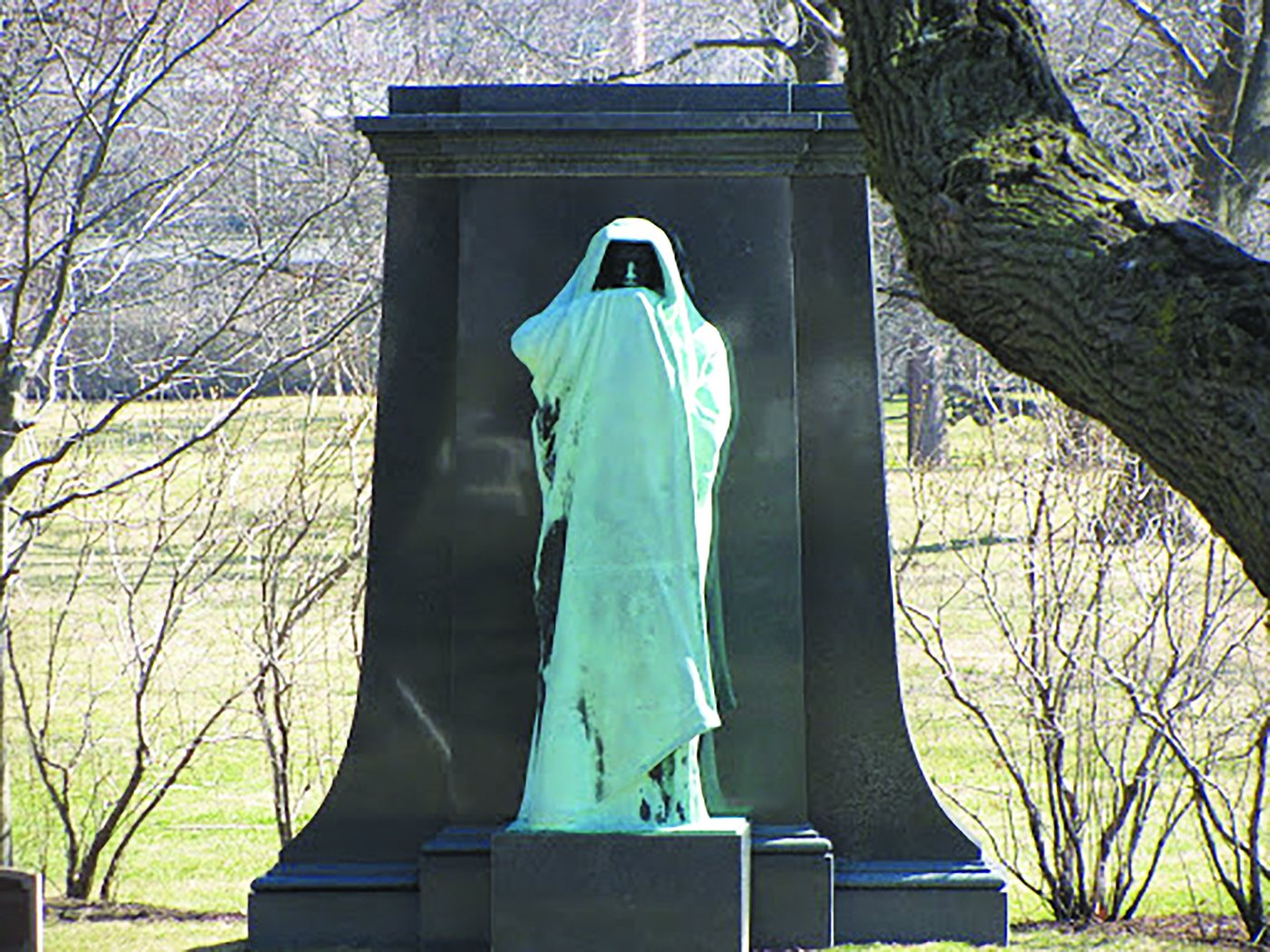
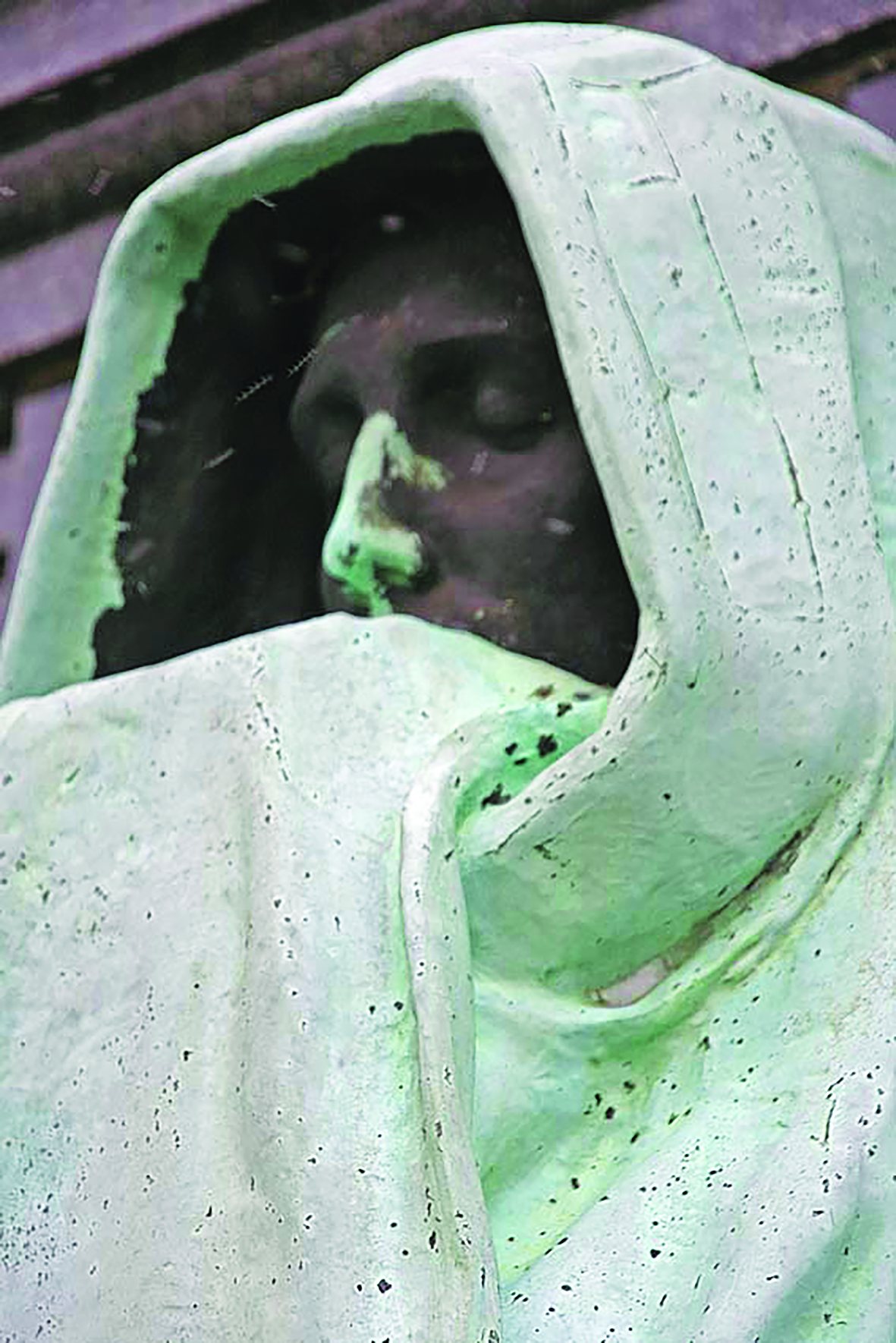
The sculpture Eternal Silence, also known as the Dexter Graves Monument or Statue of Death, stands at Graceland Cemetery in Chicago. This bronze, mounted on and in front of black granite, was created in 1909 by the American sculptor Lorado Taft. No one can pass the cemetery without noticing Eternal Silence monument, where the statue of a hooded figure stands over the final resting place of Dexter Graves and his family.
Graceland Cemetery is a large Victorian-era cemetery covering over 120 acres (almost half a square kilometer). Located in the Northern Uptown region of Chicago, Illinois, the main entrance is at the intersection of Clark Street and Irving Park Road. The Sheridan CTA red line stop is the nearest "L" train.
In Graceland Cemetery, you can find the gravesites of many famous Chicagoans. Unfortunately, there is little information about the earliest residents of Chicago. Dexter Graves may have been among the first. Brief facts are outlined below:
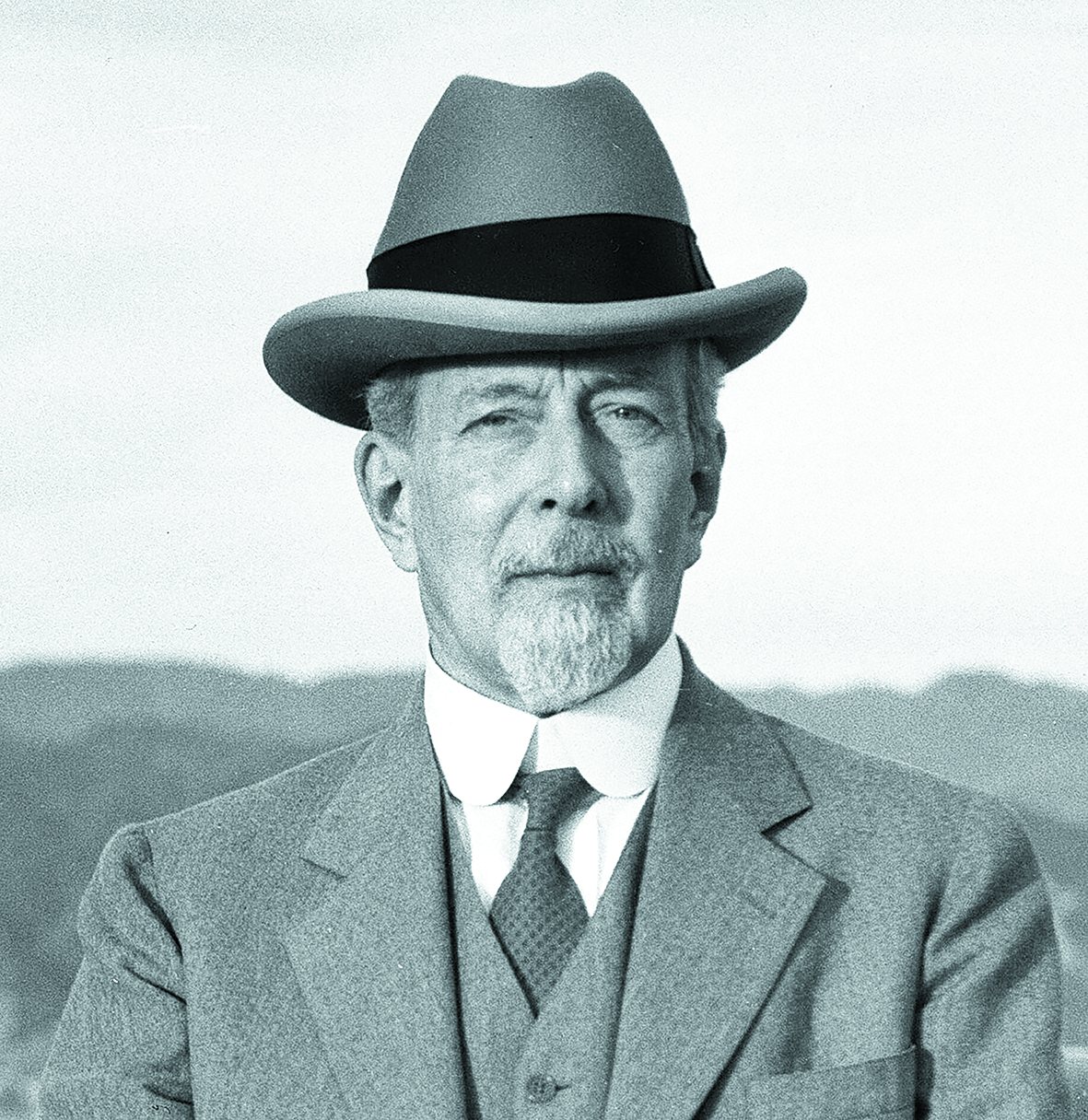
Dexter Graves led a group of thirteen families to leave their homes in Ohio and to settle in the territory of the future Chicago. They traveled across the Great Lakes by ship. The schooner on which Graves arrived with his family was called the Telegraph. Graves and his accompanying families arrived in Illinois in July 1831. Among them was Captain Joseph Napier (1798-1862), the famous founder of Naperville.
Graves and the families with him founded a settlement on the land that became Chicago, and are rightfully considered the first residents of Chicago. They built a hotel called The Mansion House, where the city's first professional theater performance was shown.
Graves died in 1844, and Graceland Cemetery was founded 16 years later. Initially he was laid to rest in a cemetery of the old city (on the current site of Lincoln Park), but as that area was being repurposed for Chicago's growing population, his remains were relocated to Graceland Cemetery. The statue was erected there in 1909, 75 years after his death.
Around the same time that Dexter died in 1844, his son Henry built a cottage for himself on 31st Street near Cottage Grove. It was Henry who named this area, known today as "Cottage Grove."
In 1861, at the beginning of the Civil War, certain land owned by Henry Graves was used for Camp Douglas, a Civil War prisoner of war camp. On the map of Camp Douglas, there are places with the inscription "graves" - some researchers have suggested this means this was a prisoner of war camp cemetery, while some assume that this notes the burials of victims of the cholera epidemic. One way or another, this was the land of the Graves. Most likely Henry simply refused to give all the land to the military, so he and his family lived in a house next to the prisoner of war camp, which bordered them on three sides.
By 1905, Henry was referred to as the "oldest Chicagoan." Although there were several other candidates for the title, it is likely that no one lived in the city longer than him.
When he died in 1907, his will made provisions for a new burial in Graceland, yet the will raises more questions than answers. The will did not mention the statue, but that a family mausoleum would will be built for $250,000. This is a few million dollars in transfer to modern money.
In part of the will which attracted considerable attention from the press, he set aside $50,000 for a monument to Ike Cook, a racehorse he may have once owned and which set a record by walking one mile in two minutes and thirty seconds. The monument was supposed to stand in Washington Park and include a bronze statue of Ike Cook, as well as a drinking fountain for horses.
The task of designing a horse monument was assigned to Charles Mulligan. There was a legal dispute around the project regarding if the gift to the city is taxed or not, while a photo of the model of the monument was published in newspapers. However, to our knowledge, the statue was never built.
For two years, between the death of Graves and the actual construction of the statue of Eternal Silence, the plans had changed somewhat. Even after the will entered into force in 1907, newspaper articles already described the site as a "monument," which will include a tablet with an inscription, "Donated and erected by Henry Graves. Born on August 9, 1821; died on October 8, 1907; Dexter's son, who brought the first colony to Chicago, consisting of thirteen families. Arrived July 15, 1831 on the schooner Telegraph. "
In the end, the famous sculptor Lorado Taft was invited to work on the project to build a monument. A sign with text similar to the inscription is on the back of the monument. Taft's works can be seen throughout the country, including several statues around Chicago. One of his most famous works is the Fountain of Time (in Washington Park), built in 1920, which, along with other sculptural groups, depicts a similar hooded figure.
There is one urban legend about the statue Eternal Silence. Like many myths, however, it is not supported by facts. Supposedly, if one looks in the eyes of the statue of the hooded figure, the viewer will see a vision of their own death.
In Ada Bartlett Taft's 1946 book Lorado Taft, Sculptor and Citizen, Eternal Silence is mentioned as one of the artist's most important works. Images of Eternal Silence were used in other works of art, including the works of Klaas Oldenburg.
More from History
The World's Columbian Exposition and Chicago's Forgotten Temple
A full feature on John Wellborn Root, Burnham and Root, the Masonic Temple, and the Chicago plans around the World's Columbian Exposition of 1893.
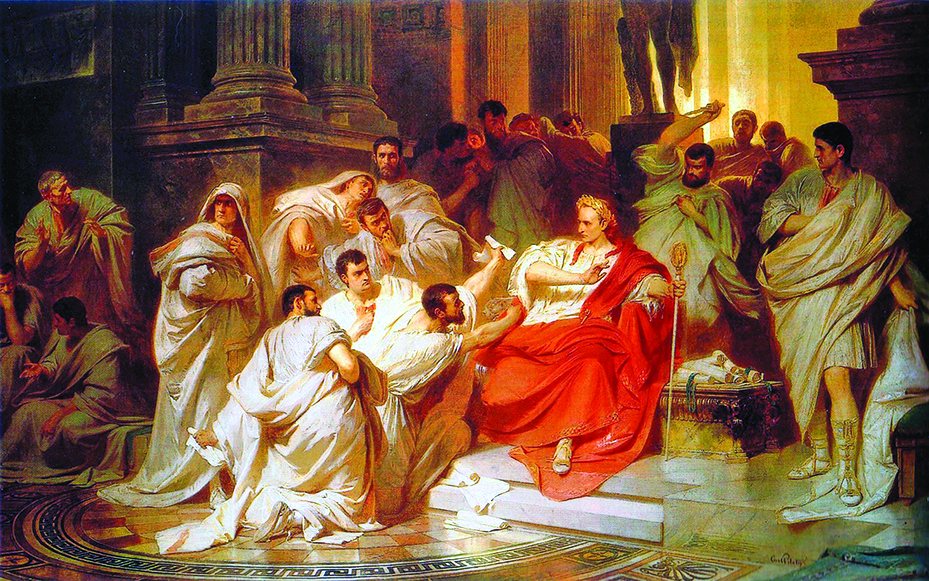
The Job Which Risks Life: Fate of The Emperor
A history feature on research into Roman emperors, violent mortality, and the statistical risks of power.
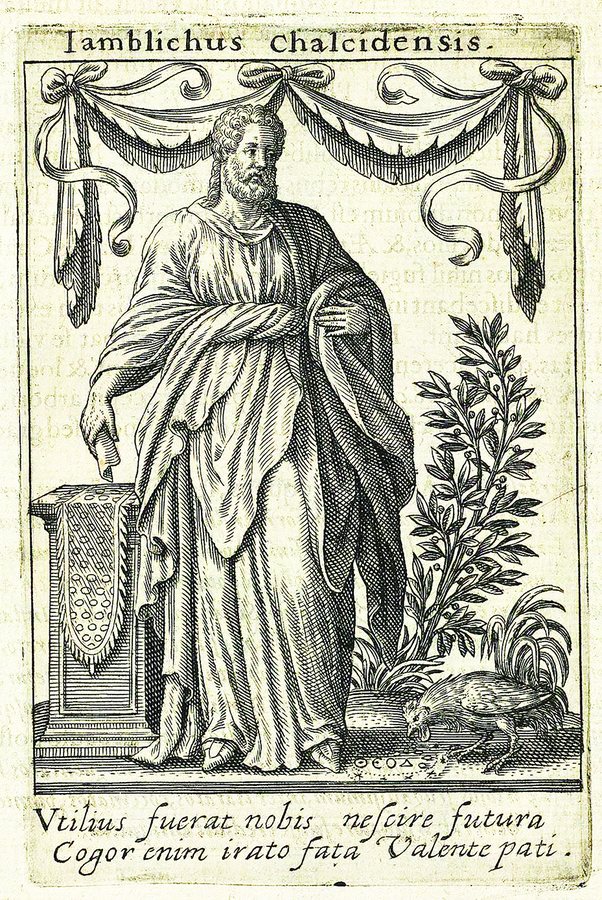
American Archives: Prophetic Dreams and Ecstasy
A historical-philosophical archive excerpt on Iamblichus, prophetic dreams, divination, and altered states of ecstasy.