
The Job Which Risks Life: Fate of The Emperor
A history feature on research into Roman emperors, violent mortality, and the statistical risks of power.
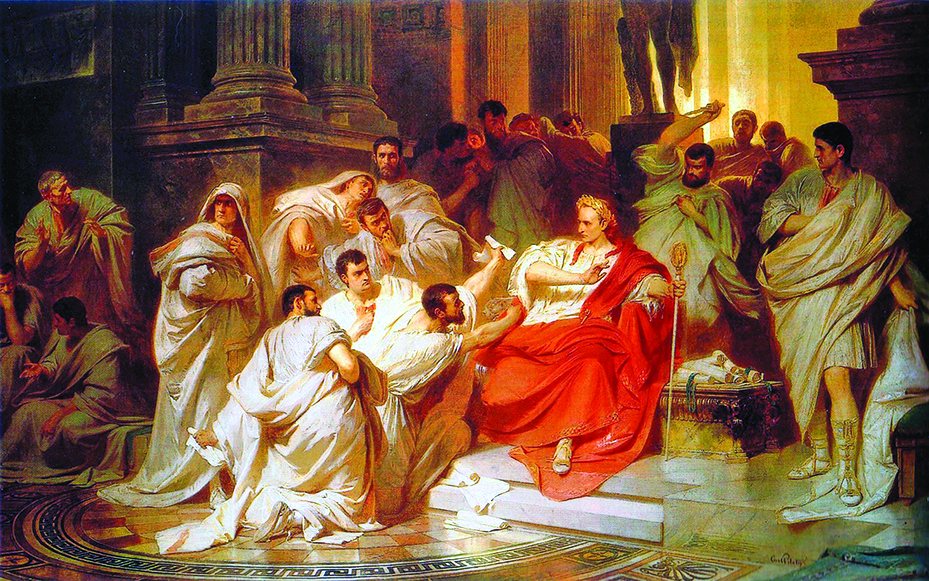
Surprisingly, research by scientists has identified an amazing relationship between ruling time and mortality of the Roman emperors.
By applying a statistical model, it was successfully discovered that the risk of death was higher in the first year of rule. However, upon making it through a year, the role of the emperor still held considerable risks, although chances of dying as a result of violence were already significantly lower. The research also demonstrated that emperors had a life strictly outlined by certain time frames.
The leading research team, from Georgia Institute of Technology of the U.S., including the highly skilled aviation engineer Joseph Saleh, and other employees, used statistical equipment which met the demands of engineering practice. With this equipment, it was possible to predict and establish the length of life of the Roman emperors.
WHY IT IS IMPOSSIBLE TO CALL THE EMPEROR'S LIFE SIMPLE?
Bright, magnificent, and full of vicious pleasures-such was the life of the Roman when seen from the outside. Roman emperors were leaders who had their praises sung. At that time, they were watched and reveled at the way the public now would watch a movie or play.
However, if we look at the life of the leaders of Rome with the eyes of scientists, then the picture is not as perfect. This includes the life of Nero, a mighty Roman emperor, who ruled with tyranny as Rome's reach expanded. Research indicates that all emperors faced a high likelihood of sudden death. This included the risk of violent death at that.
The research included only formally recognized emperors who ruled Rome throughout four centuries. As well, the scope of research included leaders of the Roman Empire whose death wasn't by natural means.
DEATH OF THE ROMAN EMPERORS: FROM ASSASSINATIONS TO SUICIDES
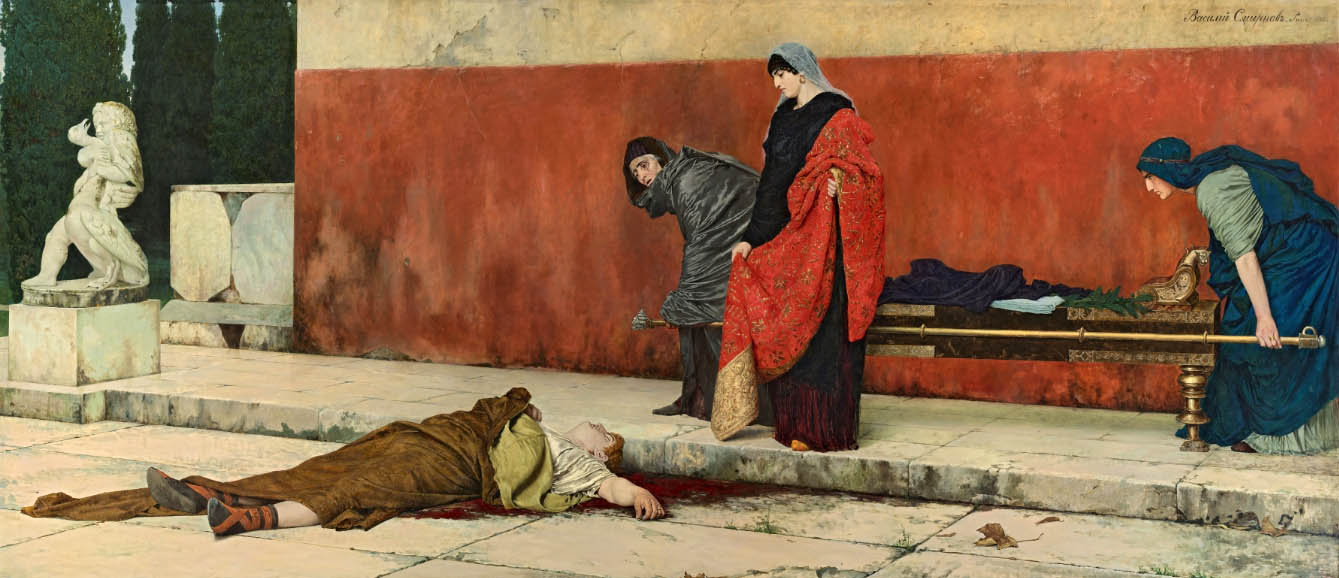
To provide objectivity to the statistics on the death of emperors of the Roman Empire, researchers studied the biographical data of all emperors in detail. The research looked at the time span from the first emperor Augustus, to the last ruler of the United Roman Empire, Theodosius.
It was established that more than half of Roman emperors suffered a violent death. Specifically, based on sources, the figure is 62 percent. From 69 Roman emperors, 43 of them died as a result of wars, assassinations, suicides and other violent acts.
Among these 43 emperors are major figures like Caligula, Caracalla, and Domitian. However, in the end, researchers did not manage to track patterns in the deaths of the Roman emperors.
For example, the emperor Caligula was assassinated. This tragic death of the leader of Rome occurred in 41 A.D., after Caligula ruled Rome for only four years. Then, a new emperor-Claudius ascended to the throne.
The team of researchers from Georgia Tech, using documentary sources, counted how many years, on average, that the emperor ruled before their death. In calculations, they took into account the data of a premature death right after receiving power. As a result of their research, they identified a theme which occurred frequently.
THE FIRST YEAR - THE MOST DANGEROUS
In research, the statistics on the lifespans of emperors was compared to the success of components used in engineering equipment. Dr. Joseph Saleh noted this similarity. A component which fails early is a result of its inability to function as it was supposed to, but if it makes it through this early period, it has a probability of continuing. The British newspaper Daily Mail quoted Saleh: "In engineering, the reliability of a component or process is defined as the probability that it is still operational at a given time."
Scientists looked at the duration of rule, as well as the manner of death, for Roman leaders with this statistical model. It is fascinating to compare the term of rule of the Roman emperors to the reliability of engineering parts.
As a result, this scientific study established that leaders of Rome most often perished in the first year of their rule. Furthermore, within 7 years, the risk gradually decreased.
Why was the first year in power the most dangerous? Partially, it was because the young sovereign had no experience nor time-tested method for how to rule. Also, those who governed the state faced challenges to their rule.
According to research, those emperors who passed the 7-year mark had good chances of continuing governing for 5 or more years. Such examples are found in Roman history; emperors like Trajan and Claudius. Claudius was declared ruler by Praetorians, or elite bodyguards, after the death of the preceding emperor.
However, following another milestone in the life of rulers, even after the 12-year mark, few could count on making it to old age. The risk of violent death loomed large again, in view of the fact that the mature leader couldn't react strategically and quickly enough to handle evolving military and political situations. Researchers noted that the graph of the curve of mortality of the Roman leaders was similar to the curve of the failure rate in electronic components.
Also, the observations ranging across centuries deserve our attention. Using the time period of the 3rd century as a basis, researchers revealed the relationship between wars and mortality among emperors. To be fair, it should be noted that even in prosperous and peaceful times, there was no guarantee of safety for emperors. However, the presence of generals and other high-ranking officials who could encroach on the emperor's power aggravated the situation. In this case, the safety-and life-of the emperor was under threat again.
The occupation of the emperor was hazardous even in peaceful, stable times. This is because in the imperial system, there were weak points which any symbolic stone could strike, as indicated by the sudden death of many ancient Roman emperors. This was also shown by researchers in the scientific works.
Therefore, despite the versatility of the data on the life and the death of emperors of the Roman Empire, the group of researchers point to the importance of statistical modeling. The scientific method allows us to open an essentially new vision, and introduces extraordinarily deep understanding of difficult historical processes.
More from History
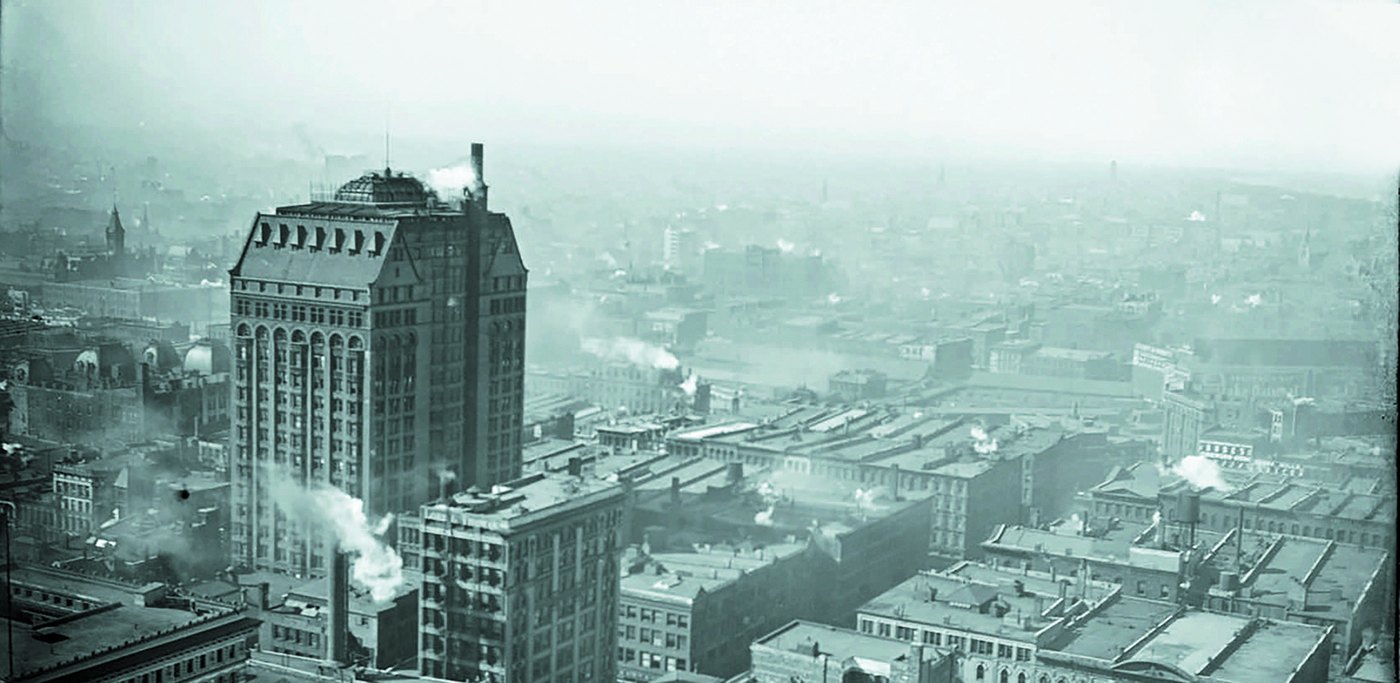
The World's Columbian Exposition and Chicago's Forgotten Temple
A full feature on John Wellborn Root, Burnham and Root, the Masonic Temple, and the Chicago plans around the World's Columbian Exposition of 1893.

American Archives: Prophetic Dreams and Ecstasy
A historical-philosophical archive excerpt on Iamblichus, prophetic dreams, divination, and altered states of ecstasy.
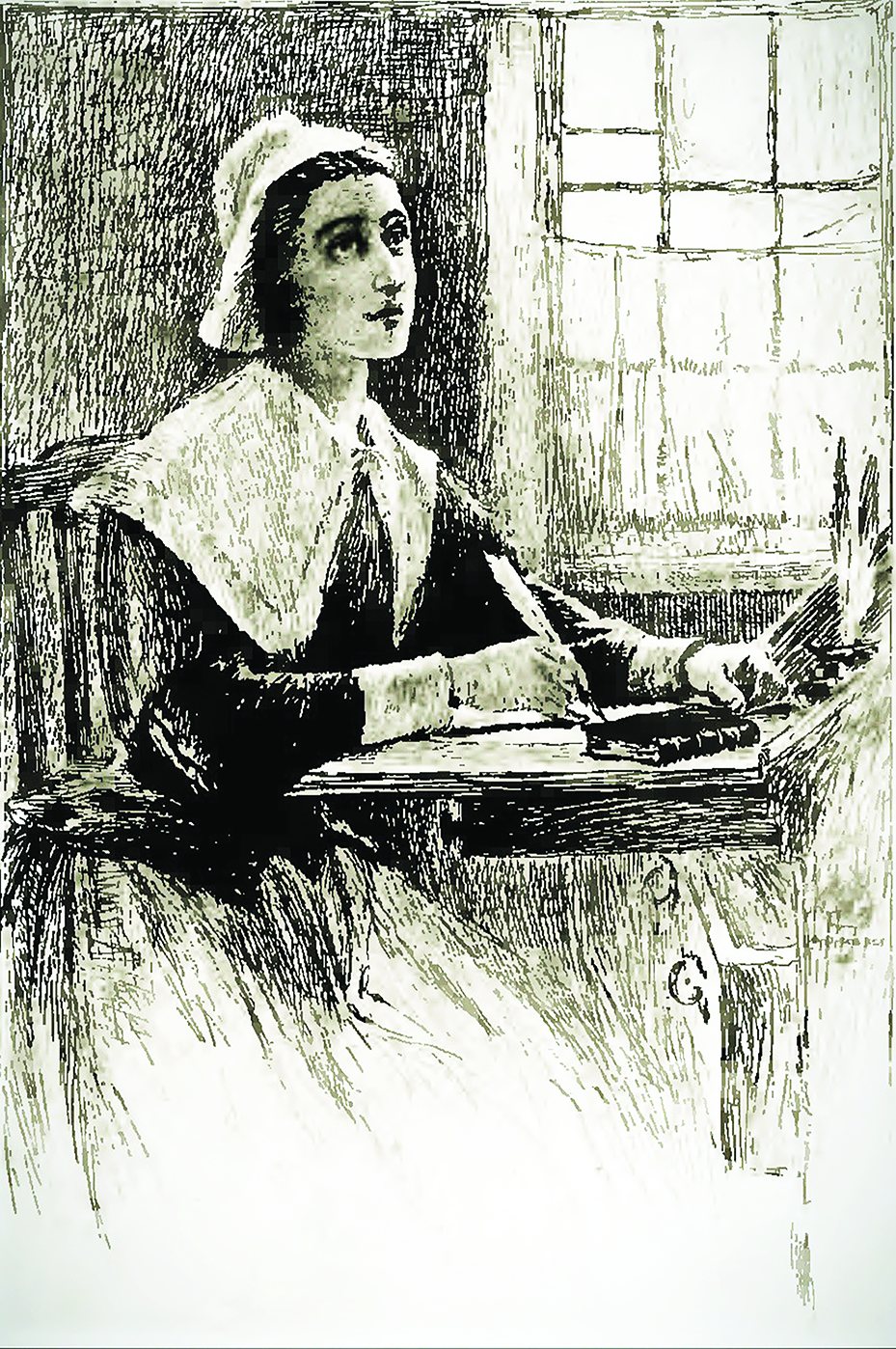
America's First Muse: Anne Bradstreet
The story of Anne Bradstreet, the first published poet of England's North American colonies.